Email Us
News

News

Straws and the Tide of Change: Biodegradable Solutions for a Cleaner Future

2026-06-17 0 Leave me a message
Straws & Sustainability: The Biodegradable Revolution | Want Paper
Exploring material innovations, marine safety, and everyday choices — from paper to PHA.
📌 Summary
From morning coffee to iced tea, Straws are everywhere — but their environmental footprint varies wildly. This article navigates the world of sustainable Straws, comparing paper, PLA, and the emerging PHA marine-biodegradable option. We examine degradation realities, certification, and practical usage across cafes, events, and homes. With clarity on what “biodegradable” truly means, we also highlight why choosing the right Straws matters for ocean health and zero-waste goals. Real-world case studies and expert-backed insights help you make informed, eco-conscious decisions — without greenwashing.

1. The Straw Spectrum: Paper, PLA, and PHA

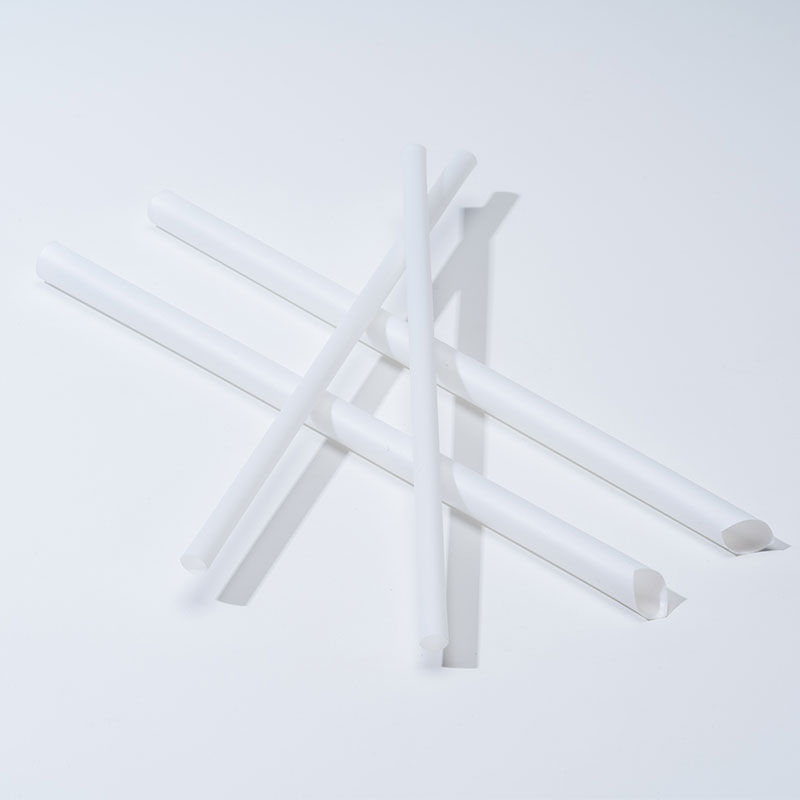
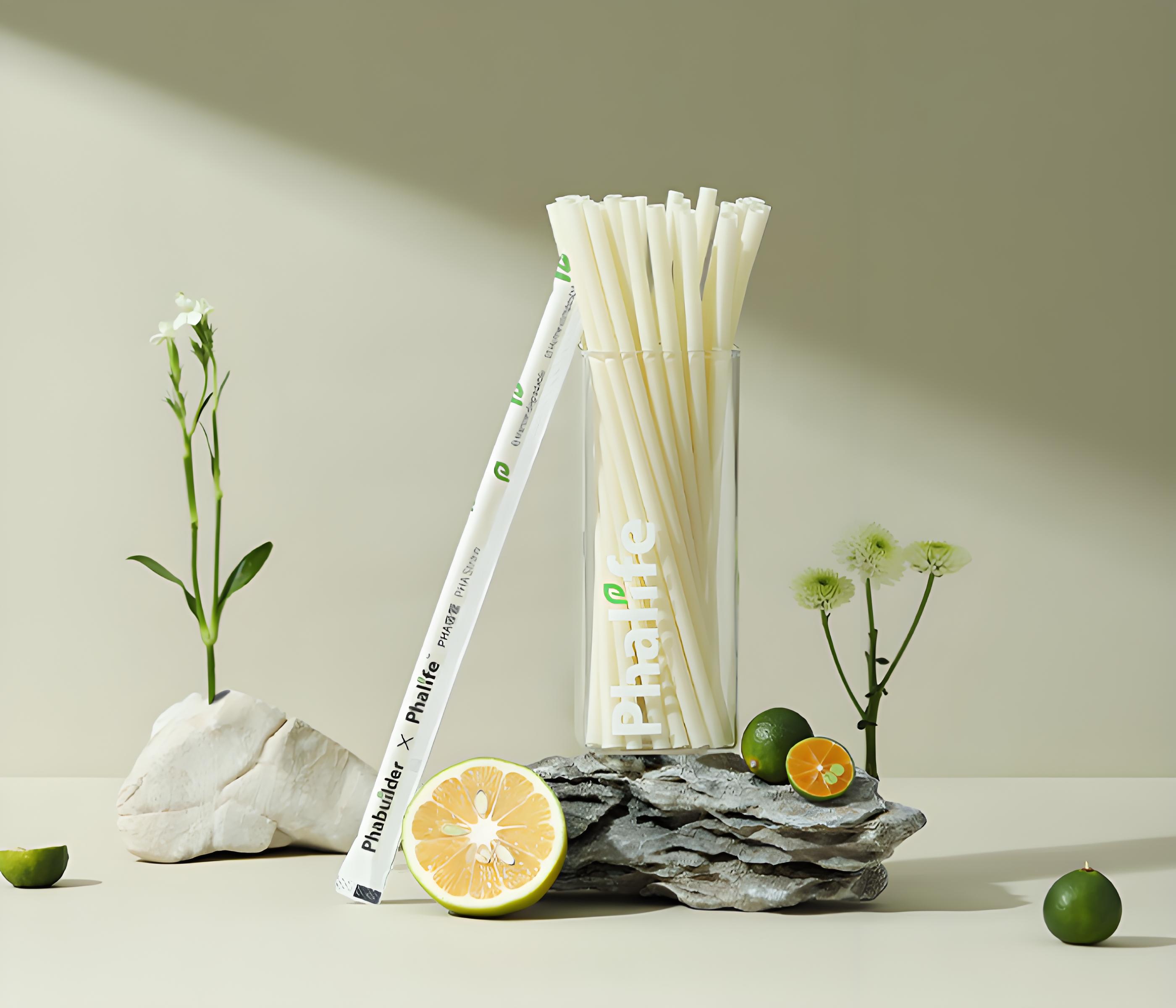
When we talk about eco-friendly Straws, three materials dominate the conversation: paper, PLA (polylactic acid), and PHA (polyhydroxyalkanoate). Paper Straws have been the early alternative, but they often soften quickly and require special coatings. PLA, derived from corn starch, is compostable under industrial conditions — yet it struggles to break down in home compost or marine environments. PHA, on the other hand, is a biopolyester produced by bacterial fermentation; it degrades even in seawater without leaving microplastics. Each material serves different needs, but the environmental calculus shifts dramatically when we consider disposal pathways.

Paper renewable, fast breakdown in soil, but limited durability
PLA plant-based, needs high-heat composting, marine-inert
PHA marine-degradable, home-compostable, robust

For businesses and consumers, the choice isn’t simply “biodegradable or not” — it’s about understanding the lifecycle and end-of-life conditions. The ideal Straws should align with local waste infrastructure and usage duration.


2. Marine Biodegradability — What Does It Really Mean?

Marine biodegradability is the gold standard for coastal and ocean-facing communities. Unlike terrestrial composting, marine environments have lower temperatures and different microbial communities. PHA Straws excel here: they can be completely broken down by microorganisms in seawater into CO₂ and water, with no persistent microplastics. This is a game-changer because a significant portion of plastic waste ends up in oceans. Independent tests show that PHA straws degrade within 6–12 months in marine settings, compared to PLA which may remain intact for decades.

🌊 “The ocean is not a landfill — but if straws end up there, they should disappear without a trace.”

This property makes PHA Straws a preferred option for coastal resorts, cruise lines, and any business near waterways. The technology is still evolving, but early adopters are already seeing both ecological and reputational benefits.


3. Comparing Degradation: Soil, Compost, and Seawater

Understanding degradation timelines helps match the right straw to your disposal reality. Here’s a clear comparison:

Material Home Compost Industrial Compost Soil Seawater
Paper ✅ 2–4 months ✅ 1–2 months ✅ 1–3 months ⚠️ slow, may need conditions
PLA ❌ typically no ✅ 3–6 months ❌ very slow ❌ persistent
PHA ✅ 3–6 months ✅ 1–3 months ✅ 2–4 months ✅ 6–12 months

These numbers highlight that PHA offers the most versatile degradation, especially for regions lacking industrial composting. For cafes and restaurants, switching to PHA Straws can simplify waste management and reduce contamination risks.


4. Practical Use: From Milk Tea to Fine Dining

Performance in real drinks matters. Paper straws can become soggy in 20–30 minutes; PLA straws hold up well but are brittle; PHA Straws offer the best balance — sturdy, flexible, and heat-resistant up to 80°C. Bubble tea shops, coffee chains, and smoothie bars have reported high satisfaction with PHA because it doesn’t impart taste or disintegrate. Additionally, PHA straws come in various diameters and colors, making them suitable for both cold desserts and hot beverages. The key is to test samples under actual usage conditions; many suppliers, including Want Paper, provide sample packs for this purpose.

Leading suppliers like Want Paper have invested heavily in R&D to perfect the PHA formulation, ensuring that it performs as well as conventional plastic while being fully biodegradable.


5. Certifications and Standards You Should Know

Not all biodegradable claims are equal. Look for certifications such as OK biodegradable MARINE, ASTM D6400 (for compostable plastics), and EN 13432. These verify that materials meet specific degradation criteria. For Straws, the marine certification is particularly valuable because it confirms breakdown in realistic marine environments. Reputable manufacturers provide these certificates upon request. When evaluating suppliers, ask for third-party test reports — this ensures transparency and prevents greenwashing. The table below summarizes key standards:

ASTM D6400 industrial composting
OK biodegradable MARINE seawater degradation
EN 13432 European compostability
ISO 14851 aquatic biodegradation

Choosing certified Straws not only assures performance but also helps businesses meet sustainability reporting requirements.


6. Future Innovations & Consumer Power

The future of straws lies in circular design: using renewable feedstocks, minimizing additives, and ensuring complete biological recycling. Innovations include blended PHA/paper hybrids, edible coatings, and even straws made from seaweed. Consumer demand is driving rapid iteration — and every purchase sends a signal. By choosing marine-degradable Straws, individuals and businesses contribute to reducing the 8 million tons of plastic entering oceans each year. Small choices aggregate into systemic change.

As the market grows, costs are decreasing, making sustainable Straws accessible to all. The shift is not just about replacing plastic; it's about rethinking our relationship with single-use items.

❓ FAQ — Quick answers about biodegradable straws

Are PHA straws really safe for marine life?
Yes. PHA degrades into natural components (water, CO₂, biomass) and does not release toxic byproducts. Multiple studies confirm no harm to marine organisms.
Can I put PHA straws in my home compost?
Absolutely. PHA is home-compostable under standard conditions (temperature, moisture). It breaks down within 3–6 months in a well-managed compost pile.
How do PHA straws compare in cost to paper or PLA?
While PHA is currently slightly higher than paper, it offers superior durability and marine degradation. As production scales, prices are becoming very competitive.
Do colored PHA straws contain harmful dyes?
Reputable manufacturers use food-grade, biodegradable pigments. Always check for certifications to ensure safety and environmental integrity.
🌱 Ready to make the switch? Contact us for expert guidance, sample packs, and tailored solutions — we’re here to help you choose the best sustainable Straws for your needs.
Related News
Leave me a message
Mobile
Address
No. 860 Hefei Road, Laoshan District, Qingdao City, Shandong Province, China
X
We use cookies to offer you a better browsing experience, analyze site traffic and personalize content. By using this site, you agree to our use of cookies.Privacy Policy
RejectAccept