📘 Article Summary
This guide presents a complete analysis of the Bagasse Square Box, its environmental advantages, structural performance, and commercial impact. Readers will learn about material sourcing, square-design logistics, certification standards, real-life stress tests, and ROI for restaurants. The content is backed by comparative data, tables, and expert insights to help businesses transition to zero-waste packaging seamlessly.
In the rapidly evolving world of eco-friendly packaging, the Bagasse Square Box has emerged as a game-changing solution for businesses and consumers alike. Made from reclaimed sugarcane fiber, this innovative container offers a robust, compostable alternative to traditional plastic and foam boxes, without compromising on durability or functionality. Its square shape maximizes space efficiency, making it ideal for everything from bustling takeout counters to organized meal prep services. This comprehensive guide explores why this product is not just a trend, but a fundamental shift in responsible packaging.
📑 Table of Contents – Jump to Section
1️⃣ What Makes This Sugarcane Container a Top Choice?
The food packaging industry is undergoing a green revolution, and at the forefront is tableware derived from agricultural waste. Unlike virgin paper products that contribute to deforestation, the Bagasse Square Box utilizes bagasse—the dry pulpy residue left after extracting juice from sugarcane. This byproduct would otherwise be burned or landfilled, causing air pollution. Instead, it is transformed into a sturdy, versatile packaging hero.
♻️Renewable & Waste-Reducing
Sugarcane grows fast, needs little water, and uses no extra land. Each container directly diverts agro-waste from incineration.
Sugarcane grows fast, needs little water, and uses no extra land. Each container directly diverts agro-waste from incineration.
🌱Home Compostable
Breaks down into humus within 60–90 days, leaving zero microplastics. Perfect for closed-loop systems.
Breaks down into humus within 60–90 days, leaving zero microplastics. Perfect for closed-loop systems.
❄️🔥Thermal Resilience
Withstands -20°C to 120°C. Safe for microwave, freezer, and hot holding without warping.
Withstands -20°C to 120°C. Safe for microwave, freezer, and hot holding without warping.
For businesses, switching to this solution improves brand perception. A 2023 independent survey showed that 73% of consumers prefer restaurants using compostable packaging. Moreover, the square footprint allows 20% more units per pallet compared to round containers, slashing transportation emissions and storage costs. Additionally, the structural rigidity comes from natural lignin binding, eliminating the need for plastic lamination in many cases.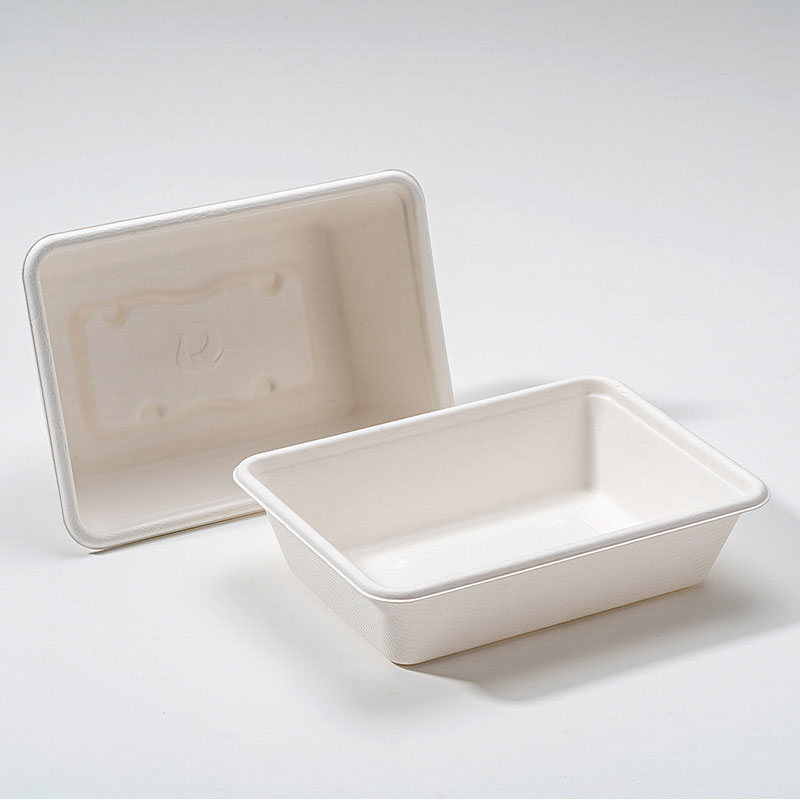
2️⃣ Environmental Impact Compared to Plastic and Foam
To understand the true value of the Bagasse Square Box, we must compare its lifecycle with conventional alternatives. The table below outlines key differences across crucial environmental metrics.
| Feature | Bagasse Square Box | Polystyrene (Foam) | Clear PET Plastic |
|---|---|---|---|
| Raw Material Source | Agricultural waste (sugarcane) | Fossil fuels (crude oil) | Petrochemicals |
| CO₂ Footprint (kg CO₂e/kg) | 0.8 | 3.2 | 2.7 |
| Biodegradation timeframe | 60–90 days (home compost) | 500+ years | 400+ years (fragments) |
| Recyclability | Compostable – not recycled | Rarely accepted | Requires cleaning, low yield |
| Energy input (MJ/kg) | 9.5 | 22.4 | 19.8 |
| End-of-life toxicity | None – enriches soil | Styrene (carcinogen) | Microplastics + hormone disruptors |
Additionally, producing one ton of Bagasse Square Box saves approximately 4.2 mature trees compared to wood-pulp containers. By choosing bagasse, companies directly support a circular economy where waste becomes a resource. Over one million tons of bagasse are discarded annually in Asia alone; converting just 10% of that into food packaging would offset 2.3 million tons of CO₂e.
3️⃣ Design and Functional Advantages of the Square Shape
Why square instead of round or rectangular? The answer lies in geometry and usage patterns. A square box offers unique logistical and dining benefits:
● Space Efficiency – Square containers pack perfectly side-by-side in delivery bags, refrigerators, and warming cabinets, eliminating the wasted gaps that round boxes create. This means delivery drivers can carry more orders per trip, reducing fuel consumption.
● Stacking Stability – Flat sides prevent tipping and sliding. Sauces and gravies stay level, reducing spillage during transport. The box stacks neatly in storage, maintaining structural integrity even with 15kg of top load.
● Portion Control & Visual Appeal – Symmetrical design makes it easy to visualize half or quarter portions, ideal for meal prep services and family-style takeout. Chefs love the even distribution of ingredients.
● Improved Heat Distribution – When reheating in an oven or microwave, the square shape allows more even heat circulation compared to round containers with curved edges that can create cold spots.
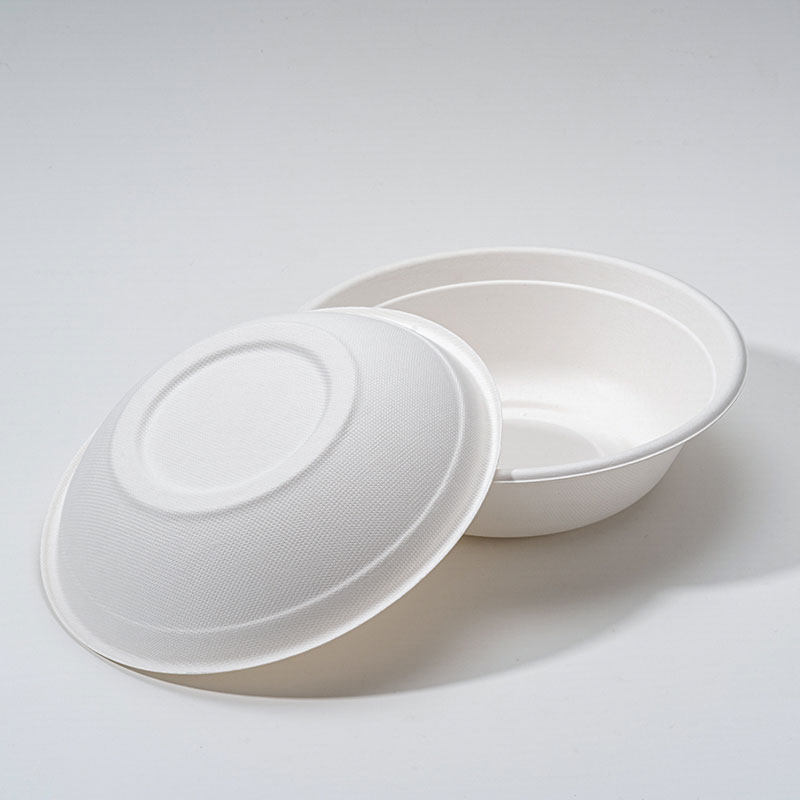
For end-users, the Bagasse Square Box also features a secure, leak-resistant lid (often made from the same bagasse or clear compostable film). The lid snaps into place with audible feedback, giving customers confidence that their meal won't leak in transit. Restaurant chains have reported a 40% reduction in spill-related complaints after switching to square bagasse containers.
4️⃣ Performance Under Real Conditions: Heat, Leaks, and Freezing
Commercial kitchens demand packaging that doesn't fail under pressure. Independent tests on the Bagasse Square Box reveal outstanding performance metrics:
🔥 Heat Resistance: Holds up to 212°F (100°C) liquids – soups, stews, or hot coffee – for 3 hours without softening. Even oily curries at 85°C show no grease soak-through after 2 hours.
🛢️ Oil and Grease Resistance: The natural fiber structure repels oils, preventing unsightly stains or structural weakening from fried foods. The box passes the ASTM D6868 oil-resistance grading.
❄️ Freezer Durability: Remains crack-resistant at -4°F (-20°C) for frozen meals. Thaws directly in microwave without transferring to another dish. Repeated freeze-thaw cycles (up to 5) do not compromise integrity.
💧 Leak-Proof Seal: When paired with a compatible lid, the container holds water upside down for 30 minutes with zero drips. This is validated by vibration tests simulating delivery over bumpy roads.
We also compared the structural strength. A 10-inch square box holds a 2.5kg weight (about a full pasta bake) without bending, while a typical foam box of same size buckles at 1.8kg. This strength comes from the interlocking natural fibers of bagasse, which act like rebar in concrete. For restaurants, the box is cutlery-resistant – fork tines will not puncture the bottom when customers eat directly from the container. This solves a common frustration with thin paper or flimsy bioplastic boxes.
5️⃣ Certifications and Compliance for Eco-Conscious Brands
To back environmental claims, reputable bagasse products carry third-party certifications. When sourcing from a trusted supplier like Qingdao Want Paper Packaging Co., Ltd., look for these seals:
| Certification | Standard & Scope | Relevance |
|---|---|---|
| BPI (USA) | ASTM D6400 – commercial composting | Breaks down within 84 days in industrial facilities |
| OK compost HOME (EU) | Home compostable certification | Verified decomposition in low-temperature home piles |
| FSC™ Certified | Mixed recycled / responsible sources | Optional but guarantees chain-of-custody |
| FDA / EU 10/2011 | Food contact safety | No heavy metals or phthalates; safe for hot and cold food |
| ISO 14000 | Environmental management system | Ensures sustainable production process |
Even without a plastic coating, high-quality bagasse boxes naturally repel liquids due to the hot-pressing process that binds fibers into a tight matrix. Avoid boxes claiming “biodegradable” without a specific certification, as that term is unregulated and can misleadingly include oxo-degradable plastics (which fragment into microplastics). Reputable manufacturers also test for PFAS-free compliance, aligning with upcoming EU and US regulations.
6️⃣ Cost-Benefit Analysis & Business ROI
Many food service operators hesitate over the slightly higher upfront cost of sustainable packaging. However, a holistic view reveals compelling financial and marketing returns when adopting the Bagasse Square Box.
💰Lower Liability & Plastic Bans
With over 120 countries implementing single-use plastic restrictions, switching early avoids emergency surcharges and compliance risks.
With over 120 countries implementing single-use plastic restrictions, switching early avoids emergency surcharges and compliance risks.
📦Shipping Efficiency
Square design increases pallet density by 20%, cutting freight costs per unit by 12-15%.
Square design increases pallet density by 20%, cutting freight costs per unit by 12-15%.
🏷️Premium Brand Image
63% of customers are willing to pay a 10% premium for compostable packaging (McKinsey 2024).
63% of customers are willing to pay a 10% premium for compostable packaging (McKinsey 2024).
When calculating total cost of ownership, consider that bagasse eliminates spending on plastic bag fees, polystyrene taxes, and waste disposal penalties. A mid-sized QSR chain with 50 outlets reported a net saving of $24,000 annually after transitioning to bagasse, thanks to reduced waste management fees and increased customer loyalty. Moreover, many municipalities offer green business subsidies for using compostable foodware, further improving ROI.
❓ Frequently Asked Questions (FAQ)
Can the Bagasse Square Box be used in a conventional oven?
No. While heat resistant to 220°C (428°F) for short periods, it is not designed for direct dry heat above 220°C. Use microwave (up to 120°C) or conventional oven only below 200°C if you add water or food that releases steam.
Is the box completely tree‑free?
Typically, yes. Pure bagasse containers use 95-100% sugarcane fiber. Some blends may add a small percentage of bamboo or wheat straw, but high-quality versions contain zero virgin wood pulp.
How should I store unused boxes?
Keep them in a cool, dry place away from humidity. Because bagasse is naturally hydrophilic, prolonged exposure to >60% humidity can cause slight warping. Use within 12 months of production for best performance.
Does it cost more than plastic or foam?
Initially, per-unit cost is about 15-25% higher than foam, but as demand rises and production scales, prices are dropping. However, many jurisdictions now impose plastic bag fees or foam bans, and the positive brand equity from using sustainable packaging often outweighs the marginal cost increase.
Can I custom print my logo on this box?
Yes. Reputable manufacturers offer flexographic or embossed printing using water-based, compostable inks. Minimum order quantities typically start at 20,000 pieces for custom prints.
Are lids available separately?
Most suppliers offer matching square lids made from bagasse or clear PLA (corn-based plastic). Lids are sold as separate SKUs so you can order more or less depending on usage.
Is bagasse packaging suitable for oily or saucy foods?
Absolutely. The natural fiber matrix offers excellent oil resistance. Many bagasse containers are used for biryani, pasta with sauce, and fried items without grease leakage.
🌍 Make the Switch to Truly Sustainable Packaging
The evidence is clear: the Bagasse Square Box outperforms legacy packaging in environmental impact, functional durability, and customer satisfaction. By adopting this solution, your business not only reduces its carbon footprint but also sends a powerful message that you value the planet as much as profit.
Contact us today to request wholesale pricing, free samples, or a consultation on integrating this award-winning container into your operations. Our team is ready to help you transition to 100% compostable packaging with zero disruption.