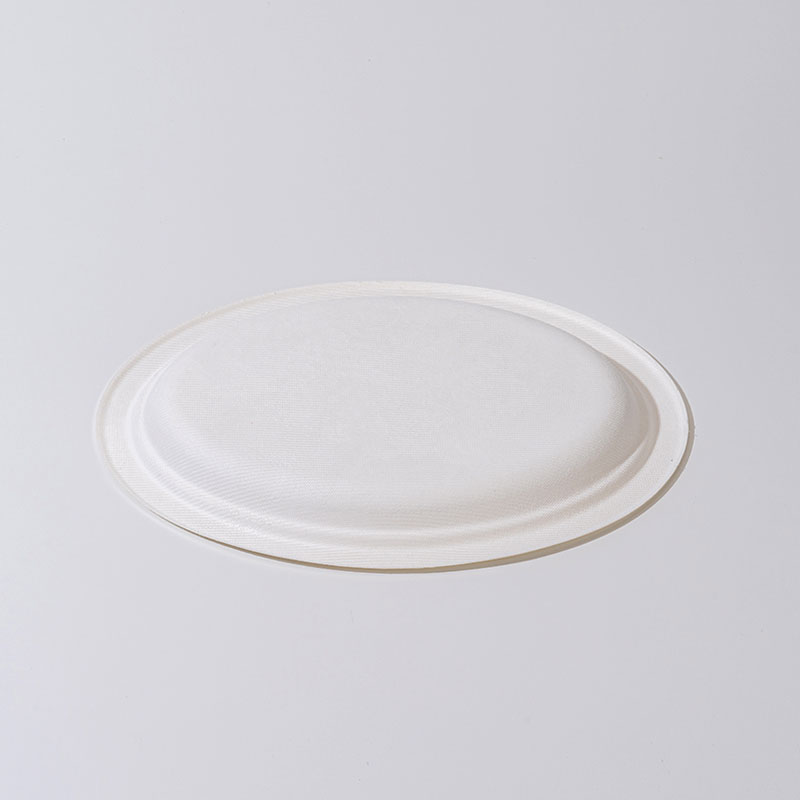
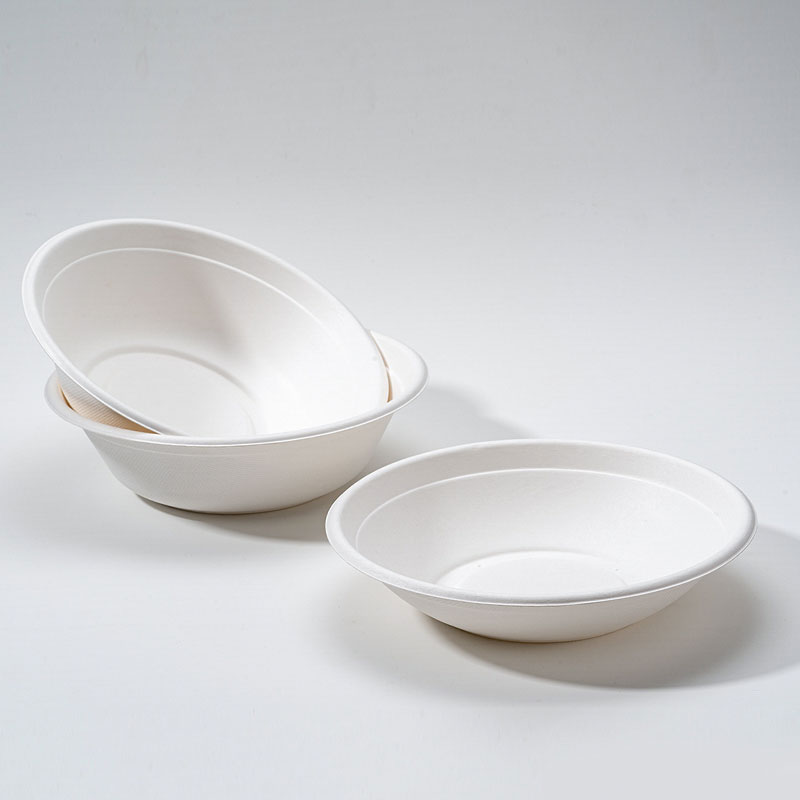
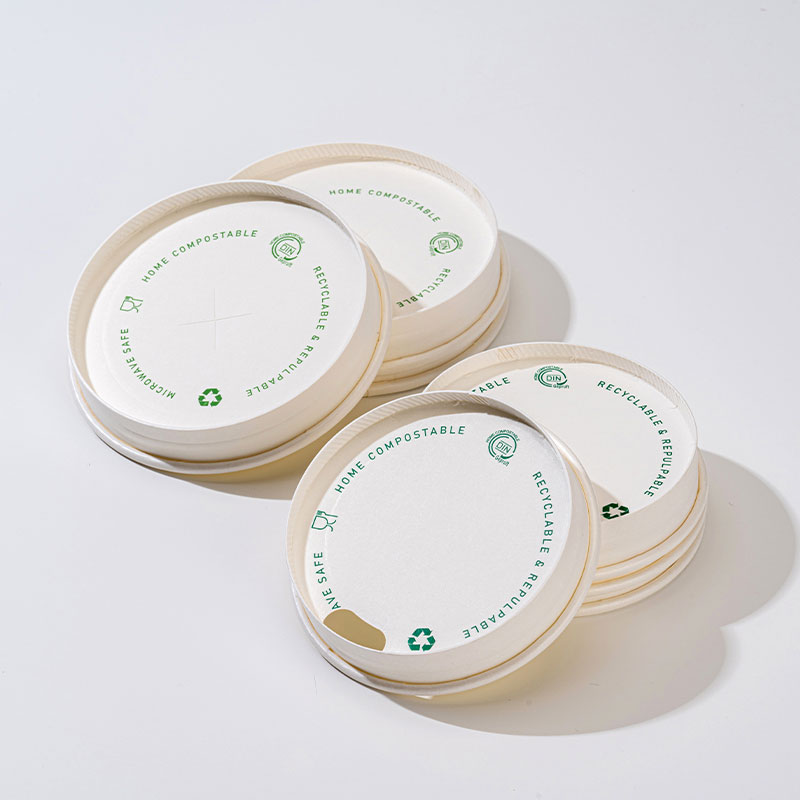
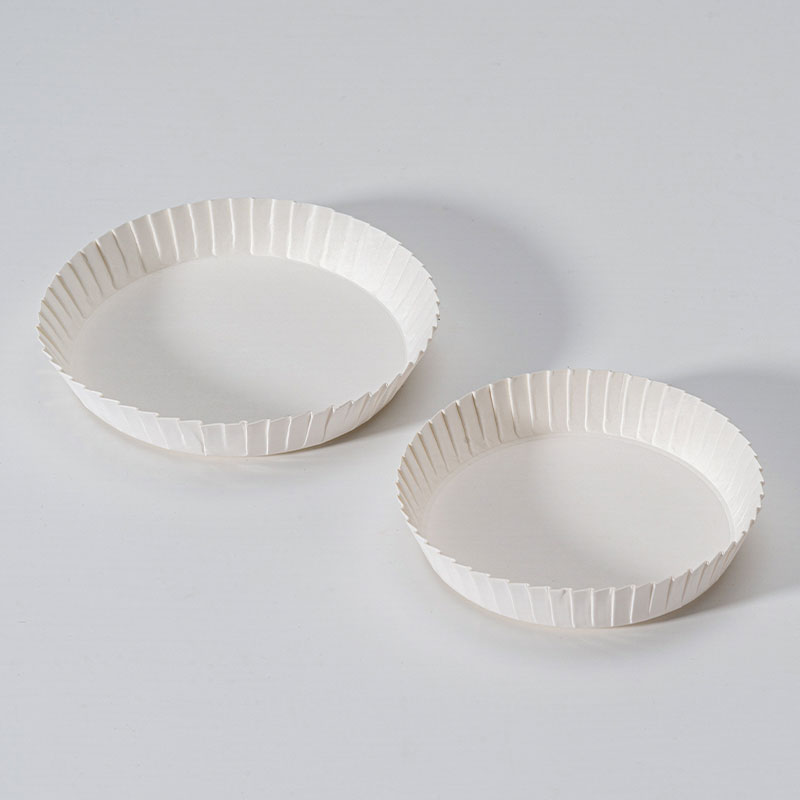
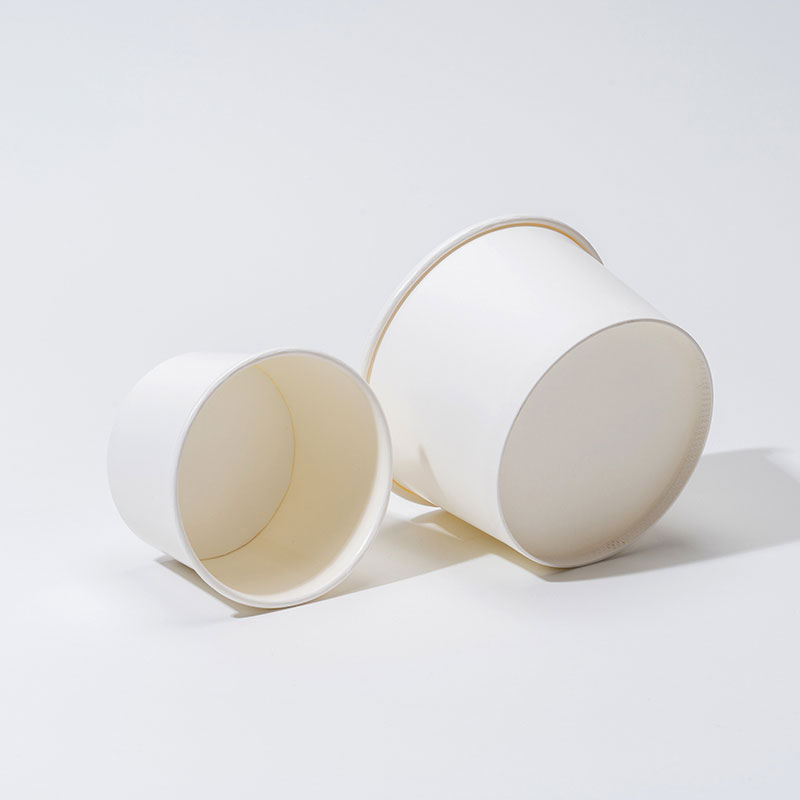
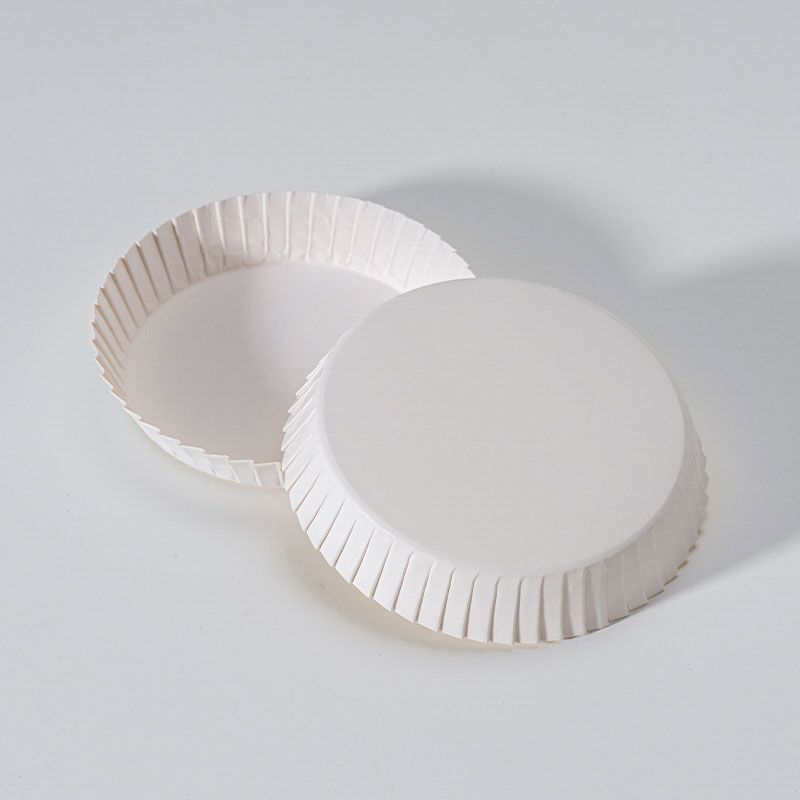
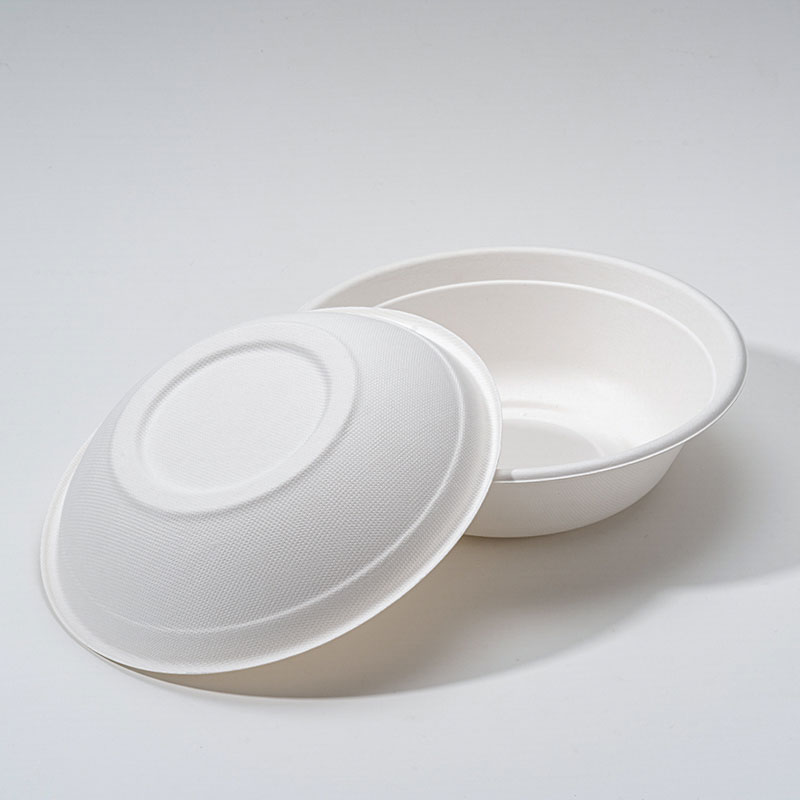
Qingdao Want Paper Packaging Co., Ltd. and its Sugarcane Pulp Oval Plate have drawn attention in discussions about compostability and real-world decomposition timelines—how many days does it actually take for such tableware to break down?
What "Decomposition" Really Means
The word "decompose" is often used broadly, but in environmental science it can refer to different processes depending on conditions.
For a Sugarcane Pulp Plate, decomposition generally means the breakdown of natural fibers into water, carbon dioxide, and organic matter through microbial activity. However, the speed of this process is not fixed. It depends heavily on whether the product is placed in industrial composting facilities, home compost environments, soil burial conditions, or natural outdoor exposure.
A common misunderstanding is assuming all biodegradable items disappear quickly under any condition. In reality, temperature, humidity, oxygen levels, and microbial presence all influence the timeline.
What Affects the Breakdown Speed?
Several key environmental factors influence how long a Sugarcane Pulp Oval Plate takes to decompose:
Temperature and Heat Levels
Higher temperatures accelerate microbial activity. Industrial composting environments typically maintain temperatures between 50–70°C, which significantly speeds up decomposition.
Moisture Content
Microorganisms need moisture to break down organic material. Too dry or too wet conditions can slow the process.
Oxygen Availability
Aerobic decomposition (with oxygen) is faster and cleaner. Without oxygen, breakdown slows and may produce methane.
Material Thickness and Density
Heavier molded fiber products take longer than thin paper-based materials.
Additives or Coatings
Some biodegradable tableware includes water-resistant coatings. Certified compostable coatings still break down, but may require slightly longer time.
So, How Many Days Does It Actually Take?
Under ideal conditions, decomposition timelines can vary widely. The following table provides a simplified comparison based on common environmental settings:
Decomposition Timeline Overview
Material Type
Environment
Estimated Decomposition Time
Sugarcane pulp fiber plate
Industrial composting facility
90–180 days
Sugarcane pulp fiber plate
Home compost system
120–240 days
Uncoated paper
Composting conditions
30–90 days
Conventional plastic plate
Natural environment
200+ years
PLA-based bioplastic
Industrial composting
180–360 days
From this comparison, a Sugarcane Pulp Plate typically falls within a medium-speed biodegradation range. It is significantly faster than petroleum-based plastics but still requires controlled composting conditions to fully break down within a few months.
In natural soil environments without controlled heat or microbial density, decomposition may take longer than expected. This is why labeling such materials as "biodegradable" does not always guarantee rapid disappearance in uncontrolled environments.
Why Sugarcane Fiber Breaks Down More Efficiently
The reason sugarcane-based fiber behaves differently from plastics lies in its structure.
Bagasse fiber is primarily composed of cellulose and hemicellulose—natural plant polymers that microorganisms readily recognize as food sources. Unlike synthetic plastics, which require chemical breakdown, these fibers are metabolized through biological processes.
The Sugarcane Pulp Plate is formed by pressing these fibers into shape, meaning no plastic base is required. Once exposed to moisture and microbes, the structure gradually softens, fragments, and eventually integrates back into organic matter.
This natural compatibility with microbial ecosystems is the key reason sugarcane fiber products are widely used in compostable packaging systems.
Common Misconceptions About "100% Biodegradable"
The term "biodegradable" is often misunderstood as "disappears quickly anywhere." In reality, biodegradability refers to the ability of a material to be broken down by living organisms under specific conditions.
Even a Sugarcane Pulp Oval Plate that is certified compostable (such as BPI, OK Compost, or similar standards) still requires certain environments to achieve full decomposition.
Key clarifications include:
- It does not instantly dissolve in seawater
- It does not vanish in dry landfill conditions
- It requires microbial activity and moisture
- Industrial composting is the most efficient pathway
Understanding these details helps set realistic expectations for sustainable materials.
Comparing Everyday Disposal Scenarios
To better understand real-world behavior, the following breakdown illustrates how environment changes decomposition outcomes:
Scenario-Based Breakdown
Industrial Composting Facilities
- Controlled heat and humidity
- High microbial density
- Fastest breakdown cycle
- Result: 90–180 days for full decomposition
Home Compost Systems
- Lower and fluctuating temperatures
- Limited microbial consistency
- Result: 4–8 months or longer
This variation explains why two identical Sugarcane Pulp Plate items can behave differently depending on where they are discarded.
Environmental Value in Practical Context
While decomposition speed is important, the broader environmental value of sugarcane fiber lies in its resource cycle. Bagasse is derived from agricultural residue rather than newly harvested raw materials, which helps reduce dependency on fossil-based inputs.
Additionally, its ability to return to soil organic matter supports a more circular material flow, especially when integrated into composting systems.
However, the environmental benefit is maximized only when proper disposal systems exist. Without composting infrastructure, even biodegradable materials may not fully complete their lifecycle efficiently.
The question of how long it takes for a Sugarcane Pulp Plate to decompose does not have a single fixed answer, but under typical industrial composting conditions, the process generally ranges from 90 to 180 days. Environmental factors such as temperature, moisture, and oxygen levels play a decisive role in determining the actual timeline.
Sugarcane Pulp Oval Plate solutions from Qingdao Want Paper Packaging Co., Ltd. represent a practical example of how agricultural fibers can be transformed into everyday functional products while still maintaining a clear pathway back to nature.
We use cookies to offer you a better browsing experience, analyze site traffic and personalize content. By using this site, you agree to our use of cookies.
Privacy Policy