Email Us
News

News

Why Paper Box Solutions Are the Future of Sustainable Food Packaging

2026-06-25 0 Leave me a message

Abstract

The global food service industry is undergoing a profound transformation as sustainability becomes a core priority for businesses and consumers alike. This comprehensive exploration examines how Paper Box solutions and eco-friendly takeout containers are reshaping packaging standards across restaurants, catering services, and food delivery platforms. From material innovations in PLA coating and kraft paper to the operational benefits of leak-proof and microwave-safe designs, this analysis covers the full spectrum of sustainable packaging advantages. Readers will discover practical insights into consumer preferences, regulatory compliance, brand enhancement, and implementation strategies that make environmentally responsible packaging not just an ethical choice, but a smart business decision for the modern food industry.

The modern food service landscape is experiencing an unprecedented shift toward environmental consciousness, and at the center of this transformation is the humble Paper Box. As consumers become increasingly aware of the environmental impact of their choices, food businesses are recognizing that sustainable packaging is no longer an optional extra but an essential component of their brand identity and operational strategy. The days when single-use plastic containers dominated the takeout scene are rapidly fading, making way for innovative, eco-friendly alternatives that protect both food and the planet. This evolution represents more than just a trend; it signifies a fundamental rethinking of how the food industry approaches packaging, waste reduction, and environmental responsibility.

✦ ✦ ✦

1. Understanding Paper Box Varieties and Their Uses

The world of paper food packaging is far more diverse and sophisticated than many people realize. Modern manufacturing techniques have transformed paper from a simple, basic material into a high-performance packaging solution capable of meeting the demanding requirements of the food service industry. Each type of Paper Box serves specific purposes and offers unique advantages, allowing food businesses to select the perfect packaging solution for their particular needs.

Corrugated Pizza Boxes

Featuring inner corrugated layers sandwiched between kraft paper, these boxes provide exceptional strength, insulation, and heat retention for hot pizza delivery.

Lunch Paper Boxes

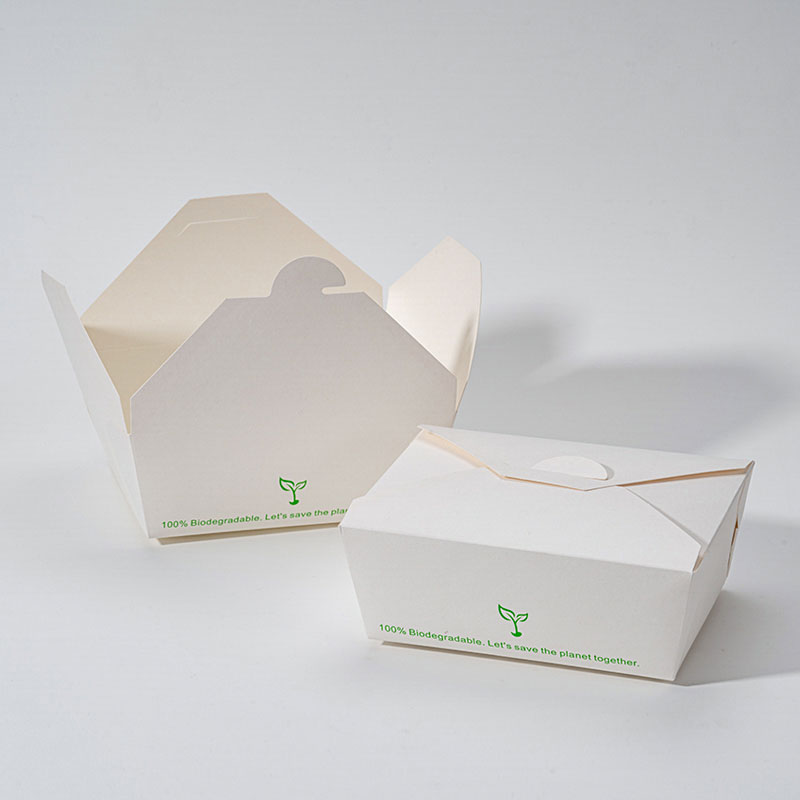
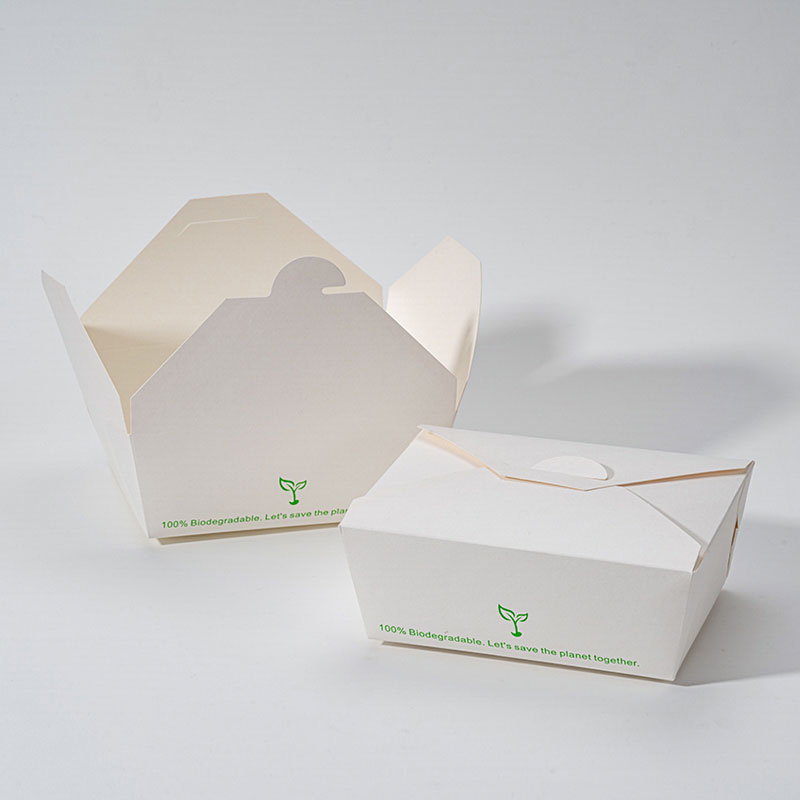
Made from food-grade white cardstock or kraft paper, these versatile containers handle everything from salads and sandwiches to multi-course bento-style meals.

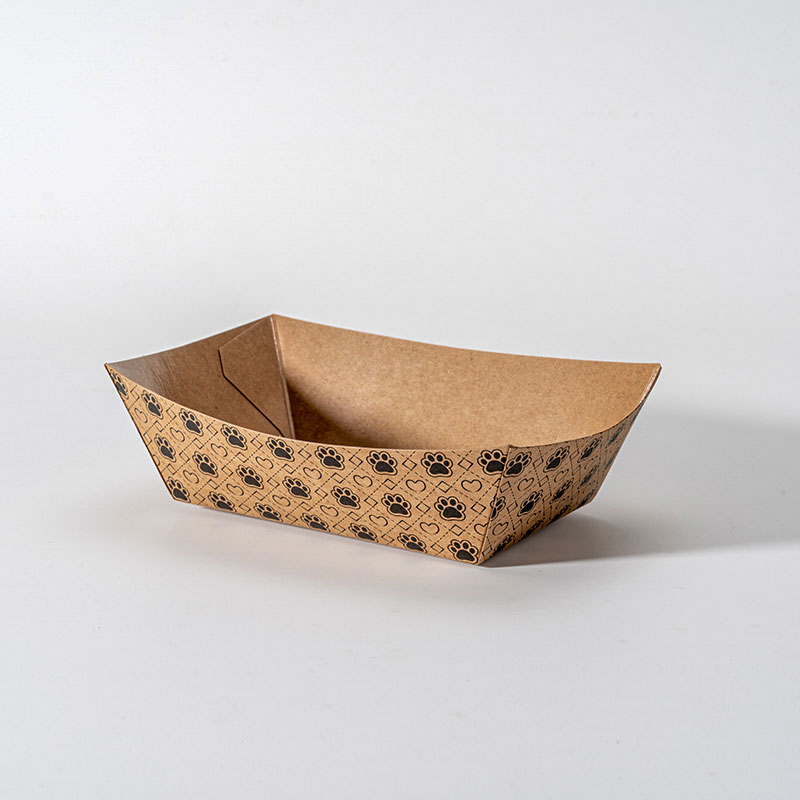
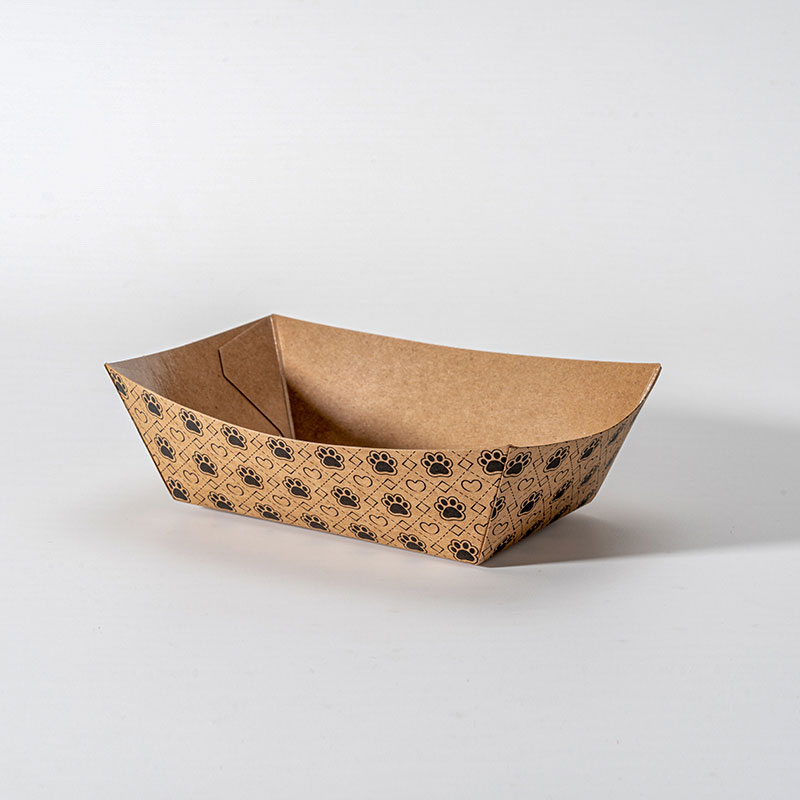
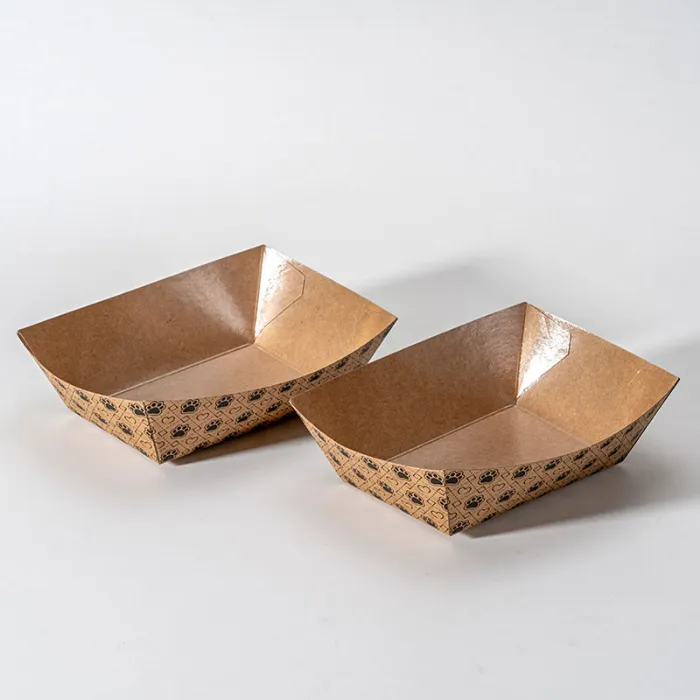
Kraft Boat Trays

Open-top boat-shaped containers perfect for serving fries, chicken wings, pastries, and market snacks with rustic artisanal appeal.

Windowed Paper Boxes

Featuring clear film windows that showcase food inside, ideal for bakeries and establishments that pride themselves on visual presentation.

1.1. Material Options and Their Benefits

Different paper materials offer distinct advantages depending on the application. Understanding these options helps businesses make informed choices about their packaging.

  • Kraft Paper: Known for its strength, durability, and natural brown appearance, kraft paper provides excellent tear resistance and a rustic aesthetic that many customers find appealing.
  • White Cardstock: Offering a clean, premium appearance, white cardstock provides a smooth surface ideal for high-quality printing and branding applications.
  • Corrugated Board: With its layered structure, corrugated board delivers superior strength, crush resistance, and insulation properties for heavy or hot food items.
  • PLA-Coated Paper: Combining paper structure with biodegradable PLA coating, this material offers excellent oil and water resistance while remaining fully compostable.

1.2. Size and Style Considerations

Choosing the right size and style of paper packaging is crucial for both functionality and presentation. Packaging that is too large wastes materials and allows food to shift around, while packaging that is too small can cause spills and damage the food. Many suppliers offer a range of standard sizes, and custom sizes are often available for businesses with specific needs. The style of packaging should also align with the type of food being served and the overall brand aesthetic of the business.

Paper Box
✦ ✦ ✦

2. Key Functional Features of Quality Paper Packaging

Modern paper food containers are engineered to meet rigorous functional requirements, dispelling the outdated notion that paper packaging is less effective than plastic. Through advanced manufacturing techniques, innovative coatings, and thoughtful design, high-quality Paper Box solutions deliver exceptional performance across multiple dimensions.

2.1. Core Performance Features

  • Oil & Grease Resistance
  • Heat Resistance
  • Leak Prevention
  • Microwave Safe
  • Food Grade Safe
  • Structural Strength
  • Moisture Barrier
  • Breathable Design

2.2. Detailed Feature Breakdown

Each of these features plays a critical role in ensuring that paper packaging meets the demanding needs of the food service industry.

Oil and Grease Resistance

One of the most critical features for food packaging is oil and grease resistance. Foods like pizza, fried chicken, and oily salads can quickly penetrate ordinary paper, causing structural failure and creating an unpleasant customer experience. Modern paper food containers address this challenge through advanced coating technologies that provide excellent grease resistance while maintaining food safety standards.

Heat Resistance and Microwave Safety

Heat resistance is another essential feature for food packaging, particularly for hot takeout meals and microwave reheating. High-quality paper containers are designed to withstand the temperatures of hot food without warping, melting, or releasing harmful substances. Many paper food containers are microwave-safe, allowing customers to reheat their food directly in the packaging, adding convenience and reducing dishwashing.

Leak Prevention and Structural Integrity

Leak-proof performance is crucial for food packaging, especially for liquids, sauces, and moist foods. Modern paper containers feature innovative designs and sealing technologies that prevent leaks and maintain structural integrity even under challenging conditions. Folded bottom designs, secure side seams, and properly fitted lids all contribute to leak resistance.

Pro Tip: Always test packaging with your actual menu items before committing to a large order. What works well for one type of food may not work as well for another, and real-world testing is the best way to ensure your packaging meets your needs.

✦ ✦ ✦

3. Environmental Advantages of Paper Over Plastic

The environmental benefits of paper packaging compared to plastic are substantial and well-documented. As the world grapples with the plastic pollution crisis, paper-based solutions offer a more sustainable alternative that addresses many of the environmental problems associated with single-use plastics.

Environmental Factor Paper Packaging Plastic Packaging Key Difference
Raw Material Source Renewable wood pulp from managed forests Non-renewable fossil fuels Sustainable vs. finite resource base
Biodegradation Time 2-6 weeks in composting conditions 200-500+ years in environment Orders of magnitude difference in persistence
Recycling Rate Approximately 65-70% globally Approximately 9-14% globally Much higher recovery and reuse rate
Carbon Footprint Lower lifecycle emissions with sustainable sourcing Higher emissions from production and disposal Significant reduction in greenhouse gas impact
Marine Pollution Risk Minimal - breaks down quickly in water High - persists and accumulates in oceans Dramatically lower threat to marine ecosystems

3.1. Key Environmental Benefits

  • Renewable Raw Materials: Paper is made from wood pulp, a renewable resource when sourced from responsibly managed forests that operate on sustainable harvest cycles.
  • Biodegradability: Unlike plastic that persists for centuries, paper breaks down naturally and returns to the carbon cycle relatively quickly.
  • Compostability: Many paper food containers can be composted along with food waste, creating a closed-loop system that eliminates waste entirely.
  • Established Recycling Infrastructure: Paper recycling is one of the most successful recycling systems globally, with well-developed collection and processing networks.
  • Reduced Carbon Footprint: When sourced from sustainably managed forests, paper packaging generally has a lower lifecycle carbon footprint than plastic alternatives.
  • Lower Marine Pollution Risk: Paper breaks down quickly in aquatic environments, posing far less threat to marine life than plastic debris.

3.2. The Circular Economy Potential

Paper packaging fits naturally into a circular economy model where materials are continuously reused and recycled rather than discarded after a single use. The paper recycling process is efficient and cost-effective, allowing used paper products to be transformed into new paper products multiple times. While food-contaminated paper can present challenges for traditional recycling, the composting option provides an alternative end-of-life pathway that keeps materials in the productive cycle. As more facilities develop the capability to handle food-contaminated paper, the circular economy potential of paper food packaging will only continue to grow.

✦ ✦ ✦

4. Industry Applications and Use Cases

The versatility of paper food packaging allows it to serve a wide range of food service sectors, each with unique requirements and challenges. From quick-service restaurants to high-end catering, paper packaging solutions have been developed to meet specific industry needs.

4.1. Major Industry Sectors Using Paper Packaging

Quick Service Restaurants

Fast-paced environments demand packaging that is quick to assemble, durable, and cost-effective for high-volume operations.

Food Delivery Services

Delivery requires packaging that maintains temperature, prevents leaks, and protects food during transport and handling.

Catering & Events

Catering needs containers that handle large quantities while maintaining presentation quality and professional appearance.

Bakeries & Pastry Shops

Bakeries value packaging that protects delicate baked goods while showcasing them attractively to customers.

4.2. Additional Applications

  • Food Trucks and Street Food: Paper packaging's portability, disposability, and rustic aesthetic make it perfect for food trucks and street food vendors who need practical, visually appealing packaging for on-the-go consumption.
  • Coffee Shops and Cafes: From pastry cases to takeout meal containers, coffee shops and cafes use paper packaging for a wide variety of items, appreciating its clean appearance and environmental credentials.
  • Grocery and Convenience Stores: Prepared food sections in grocery and convenience stores rely on paper packaging for sandwiches, salads, and other ready-to-eat items that need both protection and visibility.
  • Airline and Railway Catering: Transportation catering services value paper packaging for its lightweight properties, which help reduce fuel costs, as well as its disposability and safety features.

4.3. Specialized Use Cases

Beyond these major sectors, paper food packaging finds applications in many specialized areas. Schools and universities use paper packaging for cafeteria meals and event catering, appreciating its affordability and ease of disposal. Hospitals and healthcare facilities use paper packaging for patient meals and cafeteria service, valuing its hygienic properties and disposability. Corporate offices use paper packaging for catered meetings and events, where the professional appearance and easy cleanup are significant advantages. The adaptability of paper packaging is one of its greatest strengths, making it suitable for virtually every segment of the food service industry.

✦ ✦ ✦

5. Design and Branding Opportunities

Packaging serves as more than just a functional container for food; it is also a powerful branding tool and a critical part of the customer experience. Thoughtfully designed paper packaging can elevate a brand's image, create memorable unboxing moments, and strengthen customer loyalty.

5.1. Branding and Customization Options

  • Custom Printing: Paper packaging provides an excellent canvas for branding, supporting everything from simple one-color logos to elaborate full-color designs that showcase your brand identity.
  • Structural Design: Innovative structural designs can create "wow" moments that customers remember and share, turning ordinary packaging into a memorable brand experience.
  • Window Designs: Clear windows allow customers to see the food inside, building anticipation and confidence in product quality while adding visual interest to the packaging.
  • Sustainable Messaging: Paper packaging provides a platform for communicating your sustainability efforts, building trust and strengthening emotional connections with customers.

5.2. Enhancing Customer Experience

The customer experience extends far beyond the taste of the food itself. Packaging is often the first physical touchpoint customers have with your brand, especially for delivery and takeout orders. Well-designed packaging creates a positive first impression and sets the tone for the entire dining experience. The tactile nature of paper—its texture, weight, and feel—contributes to the sensory experience of receiving and opening food packaging. Businesses that invest in thoughtful packaging design can create experiences that delight customers and set their brand apart from competitors who treat packaging as an afterthought.

5.3. Social Media and Word-of-Mouth Marketing

In the age of social media, packaging has become an important marketing tool. Platforms like Instagram, TikTok, and Pinterest are filled with images of aesthetically pleasing food and packaging, and eco-friendly options often receive positive attention and engagement. The "Instagrammable" quality of paper packaging—with its natural, artisanal aesthetic—makes it particularly well-suited for social media sharing. When customers post photos of their food in attractive, sustainable packaging, they create valuable organic exposure and word-of-mouth marketing that reaches far beyond your immediate customer base. Businesses that invest in attractive, sustainable packaging can benefit significantly from this kind of organic social media exposure.

✦ ✦ ✦

6. Implementation Guide for Food Businesses

Successfully implementing paper packaging solutions requires careful planning and consideration. Making the switch from plastic to paper involves more than just swapping out containers; it requires evaluating options, training staff, communicating with customers, and continuously improving based on feedback. By following best practices, food businesses can ensure a smooth transition to paper packaging that delivers all the expected benefits while avoiding common pitfalls.

6.1. Steps for Successful Implementation

  • Assess Your Needs: Evaluate your menu, service model, and brand identity to understand your specific packaging requirements. Consider food types, temperatures, portion sizes, and delivery distances.
  • Research Suppliers: Look for suppliers with food service experience, quality certifications, and strong sustainability credentials. Request samples and test them with your actual food items.
  • Conduct Testing: Test packaging thoroughly with your actual menu items before committing to a large order. Evaluate performance in real-world conditions including delivery scenarios.
  • Train Your Staff: Ensure your team understands how to properly assemble and use the new packaging. Train them on the benefits so they can answer customer questions confidently.
  • Communicate with Customers: Proactively inform customers about your packaging change. Explain the benefits and address any concerns they may have about the switch.
  • Gather Feedback and Improve: Solicit feedback from customers and staff. Use this input to make adjustments and continuously improve your packaging strategy.

6.2. Selecting the Right Supplier

Choosing the right supplier is critical for successful implementation of paper packaging. Look for suppliers with experience in food service packaging and a track record of quality and reliability. Verify that their products meet all relevant food safety standards and certifications. Ask about their manufacturing processes, material sourcing, and quality control measures. It's also important to consider their sustainability credentials: do they use responsibly sourced materials? Do they have environmental certifications? Can they provide information about the lifecycle impact of their products? Building a strong relationship with a reliable supplier will make your transition to paper packaging much smoother.

For businesses seeking premium quality paper packaging solutions, Want Paper stands out as a leading manufacturer with extensive experience in producing environmentally friendly food containers. Their commitment to quality, innovation, and sustainability makes them an excellent partner for food businesses looking to upgrade their packaging while reducing their environmental impact.

6.3. Managing Customer Expectations

When switching to paper packaging, it's important to manage customer expectations effectively. While many customers will welcome the change to more sustainable packaging, some may have concerns or questions. Proactive communication is key. Use signage, social media, menu updates, and staff interactions to inform customers about the change and explain its benefits. Be prepared to address common concerns about durability, functionality, and potential cost impacts. When customers understand why you're making the change and what benefits it offers, they are much more likely to embrace it. Remember that many customers actively seek out businesses with sustainable practices, so your packaging change can actually be a selling point that attracts new customers and strengthens loyalty among existing ones.

✦ ✦ ✦

Frequently Asked Questions

Are paper food containers safe for hot foods? +

Yes, high-quality paper food containers are designed to be safe for hot foods. They are manufactured using food-grade materials and coatings that can withstand typical hot food temperatures without breaking down or leaching harmful substances. Many paper containers are specifically engineered for hot food applications, with heat-resistant coatings and structural designs that maintain integrity at elevated temperatures. Always verify with your supplier that the specific containers you choose are rated for the temperatures of your hottest menu items, and look for products with appropriate food safety certifications.

Can paper food containers be microwaved? +

Many paper food containers are microwave-safe, but it depends on the specific product and its coatings. Plain paper containers without metallic components or certain plastic coatings can generally be used in the microwave for short reheating times. Containers with PLA coatings are typically microwave-safe as well. However, containers with aluminum foil linings or certain plastic components should not be microwaved. Always check the manufacturer's specifications and look for microwave-safe labeling. When in doubt, transfer food to a microwave-safe dish before reheating. It's also important to note that microwave times should be reasonable, as extremely long heating times can cause even paper containers to become too hot or potentially catch fire.

How do paper containers compare in cost to plastic alternatives? +

The cost comparison between paper and plastic containers depends on the specific products, quantities, and market conditions. In some cases, basic plastic containers may have a lower upfront cost. However, the total cost picture is more complex. Plastic taxes and regulations are increasing the effective cost of plastic packaging in many regions. Paper packaging also offers branding and marketing value that plastic cannot match, potentially driving additional revenue and customer loyalty. Additionally, as demand for sustainable packaging grows and production scales up, the cost of paper packaging continues to become more competitive. When evaluating costs, businesses should consider the full picture including regulatory compliance, brand value, customer satisfaction, and waste management costs, rather than just the per-unit price.

What is the best way to dispose of used paper food containers? +

The best disposal method for paper food containers depends on the specific product and local waste management infrastructure. Compostable paper containers with food-safe, compostable coatings can be placed in commercial composting facilities along with food waste. This is often the ideal solution as it allows both the food and packaging to be composted together. For standard paper containers without special coatings, recycling may be possible, but food contamination can be an issue. Many recycling programs accept clean paper but not food-soiled paper. If composting or recycling isn't available, paper containers will still biodegrade much faster than plastic in landfill conditions. Always check your local waste management guidelines and the specific product information to determine the best disposal method in your area.

Can paper packaging be customized with branding and logos? +

Absolutely. Paper packaging offers excellent customization options for branding and logos. Most suppliers offer custom printing services that allow you to add your logo, brand colors, taglines, and other design elements to your packaging. The printing quality on paper can be very high, supporting everything from simple one-color logos to complex full-color designs. Customization options vary by supplier and product type, but many offer flexibility in terms of print locations, sizes, and finishes. Some suppliers also offer custom structural designs if you have specific shape or feature requirements. Custom-printed paper packaging is an effective way to build brand recognition and create a professional, cohesive brand experience for your customers. Minimum order quantities may apply for custom printing, so be sure to discuss your needs with your supplier.

How durable are paper food containers for delivery purposes? +

Modern paper food containers are surprisingly durable and well-suited for delivery purposes. High-quality containers feature reinforced bottoms, secure side seams, and well-fitted lids that provide excellent structural integrity. Many designs can support substantial weight without bending or breaking. For liquid or saucy foods, coated paper containers provide effective leak protection. The key is to choose the right container for the specific food type and delivery conditions. Heavier or wetter foods may require sturdier containers or additional support like paper sleeves or bags. Many delivery businesses successfully use paper packaging exclusively, finding that it meets their durability needs while offering environmental and branding benefits. Testing with your specific menu items and delivery conditions is the best way to ensure the containers meet your durability requirements.

✦ ✦ ✦

Ready to Transform Your Food Packaging?

Join the growing movement of food businesses that are embracing sustainable, high-quality paper packaging solutions. Make the switch today and experience the benefits of enhanced brand image, increased customer satisfaction, and reduced environmental impact.

Contact Us Today
Related News
Leave me a message
Mobile
Address
No. 860 Hefei Road, Laoshan District, Qingdao City, Shandong Province, China
X
We use cookies to offer you a better browsing experience, analyze site traffic and personalize content. By using this site, you agree to our use of cookies.Privacy Policy
RejectAccept