Email Us
News

News

Why Switch To Wooden Cutlery? The Eco‑Friendly Dining Revolution

2026-06-11 0 Leave me a message
Why Wooden Cutlery Is The Future Of Sustainable Dining? | Complete Guide

Summary: As single-use plastic bans expand globally, restaurants, caterers, and eco-conscious households seek durable, compostable alternatives. Wooden cutlery made from birch offers natural aesthetics, strength, and full biodegradability. This guide unpacks environmental benefits, certifications, cost considerations, and practical tips for a seamless transition to sustainable tableware.

Every year, over 40 billion plastic utensils end up in landfills and oceans, taking centuries to decompose. In contrast, Wooden Cutlery offers a clean, renewable alternative that returns to the earth within months. Sourced from sustainably managed forests, wooden forks, spoons, and knives bring natural warmth to any dining experience while slashing carbon footprint. Whether you run a bustling café or pack zero-waste lunches, understanding the lifecycle of these utensils helps you make an informed, planet-friendly shift.

1 Environmental Cost of Plastic Vs. Wood

Conventional plastic cutlery is manufactured from fossil fuels and often used for less than 15 minutes before disposal. Recycling rates remain below 10%, and most degrade into microplastics that harm marine life. Wooden utensils, however, originate from fast-growing birch or bamboo. Production emits up to 80% less CO₂ per piece, and after use, they biodegrade in industrial or home compost without leaving toxic residues. Moreover, Wooden Cutlery requires no chemical bleaching or coating — simply steam-sterilized and shaped.

Plastic spoon life: 400+ years in nature / Wooden spoon: 2–6 months to compost
Production water footprint: plastic utensils use 2x more water than wooden equivalents
Marine ingestion risk: zero for natural wood due to non-toxic degradation
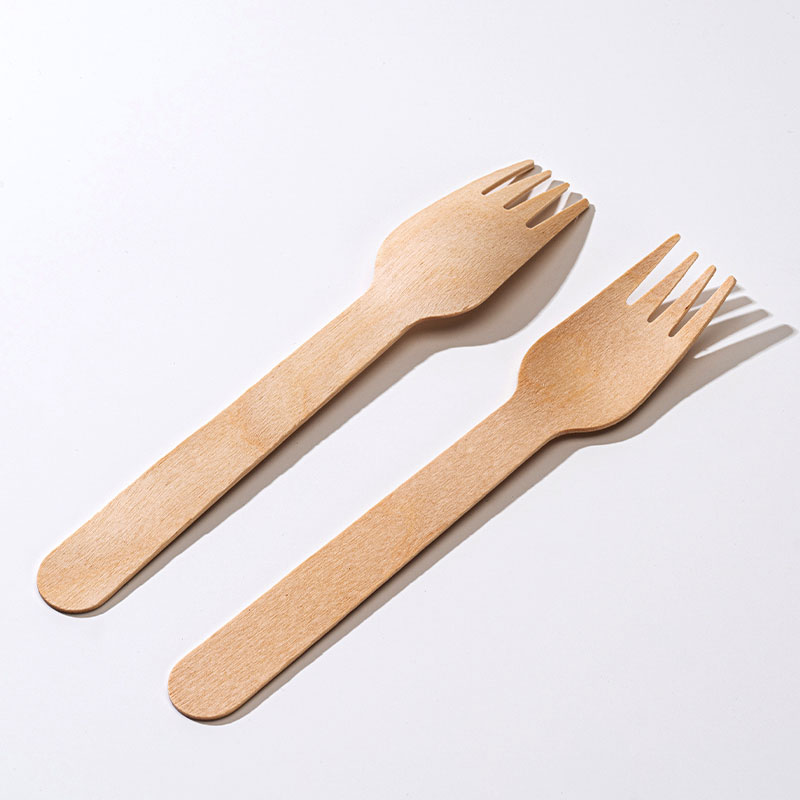
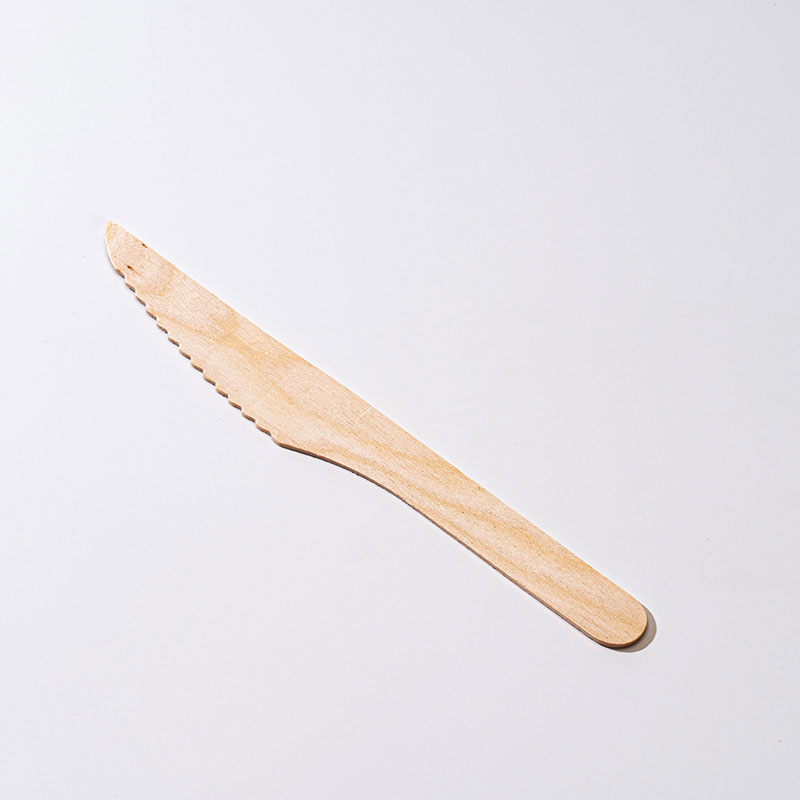
Wooden Cutlery

2 Material Spotlight: Why Birch Wood?

Not all wooden cutlery is equal. High-quality sets use birch wood (Betula pendula) for its dense yet smooth grain, resistance to splintering, and neutral taste. Birch grows abundantly in northern regions and regenerates quickly when FSC-certified harvesting is applied. The wood’s natural antibacterial properties also make it ideal for food contact. Unlike softer woods (pine or poplar), birch utensils maintain structural integrity even when used in hot soups or curries. Leading suppliers such as Want Paper craft each piece with precision grinding, leaving zero burrs and a silky texture that feels premium in hand.

Feature Birch Wood Plastic Bamboo
Biodegradability 100% (compostable) Non-biodegradable Compostable
Renewable resource Yes, FSC certified No (fossil fuel) Yes
Splinter resistance High (fine grain) N/A Medium
Heat tolerance Excellent (no warping) Melts Good

Additionally, birch utensils carry a natural wood grain pattern, elevating catering displays and event aesthetics. For businesses switching to Wooden Cutlery, the visual appeal becomes a silent marketing asset — customers perceive the brand as authentic and responsible.

3 Certifications That Matter (FSC, FDA)

When sourcing wooden cutlery wholesale, look for two critical certifications. FSC (Forest Stewardship Council) guarantees wood comes from responsibly managed forests that preserve biodiversity. FDA compliance (or LFGB for Europe) ensures the utensils are safe for direct food contact, with no toxic glues or coatings. Reliable manufacturers also perform BPA-free and heavy-metal tests. These credentials protect your customers and differentiate your inventory from cheap, unbranded alternatives. Many bulk buyers also request ISO 14001 (environmental management) from their suppliers to align with sustainability goals.

Pro tip: Always ask for test reports — especially for migration of formaldehyde or colorants. Premium wooden cutlery is completely additive-free.

4 Wooden Cutlery in Foodservice & Home

Adoption has skyrocketed across various sectors: quick-service restaurants, food trucks, office pantries, airline catering, and even wedding receptions. Unlike paper straws or wooden stirrers (which are also made from birch), spoons and forks must withstand scooping and piercing. Thanks to engineering improvements, modern wooden cutlery (second mention in body) handles hot pasta or thick stews without softening. For home users, a set of reusable wooden cutlery (washable by hand) offers a lightweight, plastic-free travel kit. Schools and daycare centers favor them because they eliminate choking hazards from broken plastic pieces.

 Catering companies report 30% higher customer satisfaction when switching to premium wood sets
 Eco-lodges and resorts use customized wooden cutlery with engraved logos
Zero-waste stores sell individual wooden spoons as plastic-free alternatives

Another growing trend: combination cutlery packs including a knife, fork, spoon, and napkin, wrapped in recycled kraft paper. These all-in-one solutions align perfectly with plastic bans in the EU, Canada, and several US states.

5 Disposal & Composting Best Practices

Although wooden cutlery is biodegradable, proper disposal ensures maximum environmental benefit. Ideally, used utensils go into commercial composting facilities (where temperature and moisture accelerate breakdown within 60 days). Home composting also works — simply break the pieces into smaller bits and mix with green waste. Avoid sending them to regular trash if possible, as landfill conditions (lack of oxygen) slow decomposition. Some municipalities accept wooden utensils in organic waste bins. Crucially, Wooden Cutlery should not be recycled with paper because it’s a different fiber stream, but composting is always the eco-win.

6 Frequently Asked Questions

Is wooden cutlery durable enough for hot soup or ice cream?
Yes. High-quality birch utensils are heat-treated and water-resistant. They won't warp, crack, or become flimsy when exposed to temperatures up to 85°C. For frozen desserts, the smooth surface prevents sticking.
Does wooden cutlery affect the taste of food?
No. Premium birch wood has no detectable flavor or odor. Unlike some bamboo or palm leaf items, it’s completely neutral, preserving the original taste of your dishes.
Can I get custom branding on wooden cutlery?
Absolutely. Many suppliers, including Want Paper, offer laser engraving or heat stamping with your logo. Minimum order quantities apply, and it's an excellent way to boost brand recall sustainably.
How should I store bulk wooden cutlery to avoid moisture?
Keep in a cool, dry place below 70% humidity. Use the original sealed packaging until ready to use. Avoid direct sunlight to preserve the natural color. Shelf life is up to 2 years if stored correctly.
Are there any disadvantages compared to plastic?
The main consideration is cost — wooden cutlery is generally 20–40% more expensive than conventional plastic. However, when factoring in regulatory risks (plastic bans) and brand goodwill, the investment pays off quickly.

🌱 Ready to embrace plastic-free tableware without compromising quality?

Contact us today for expert guidance, free samples assessment, and bulk pricing on FSC-certified wooden cutlery. Make the green transition smooth and profitable.

📦 Get Wholesale Quote →

© 2026 Want Paper – naturally responsible tableware solutions.

Related News
Leave me a message
Mobile
Address
No. 860 Hefei Road, Laoshan District, Qingdao City, Shandong Province, China
X
We use cookies to offer you a better browsing experience, analyze site traffic and personalize content. By using this site, you agree to our use of cookies. Privacy Policy
Reject Accept