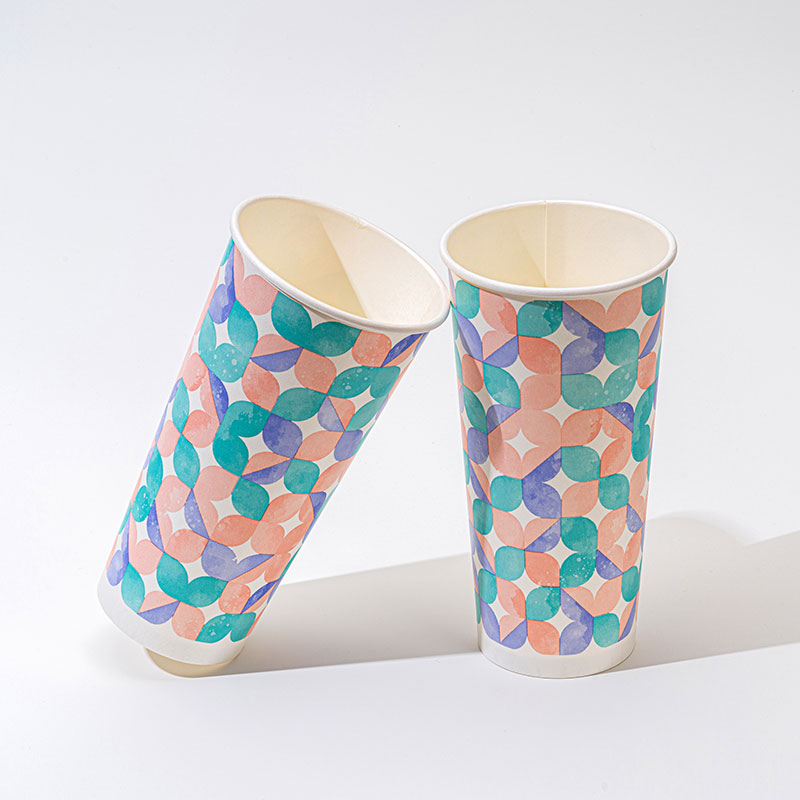
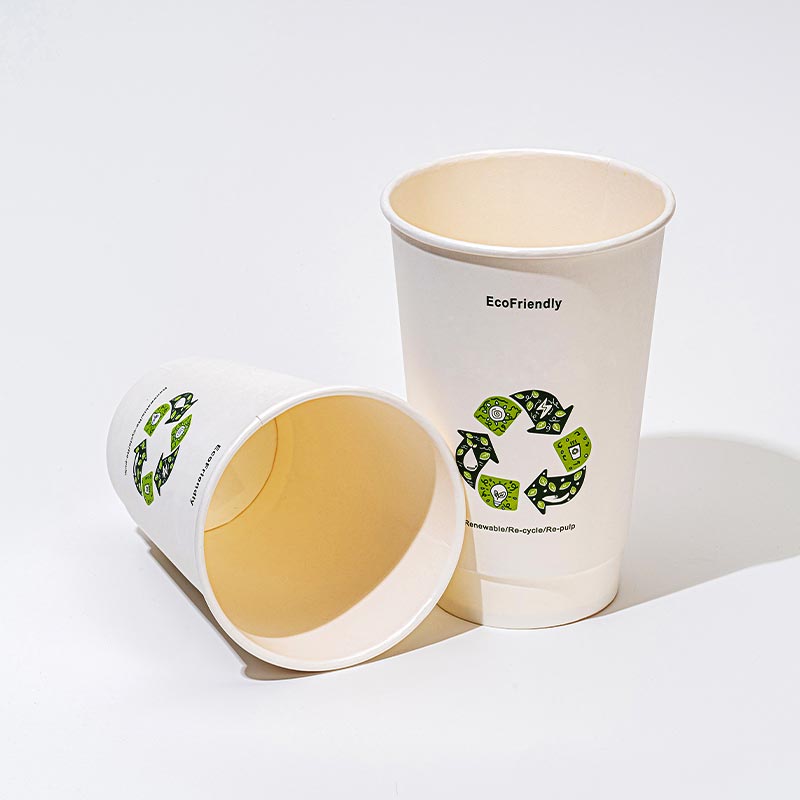
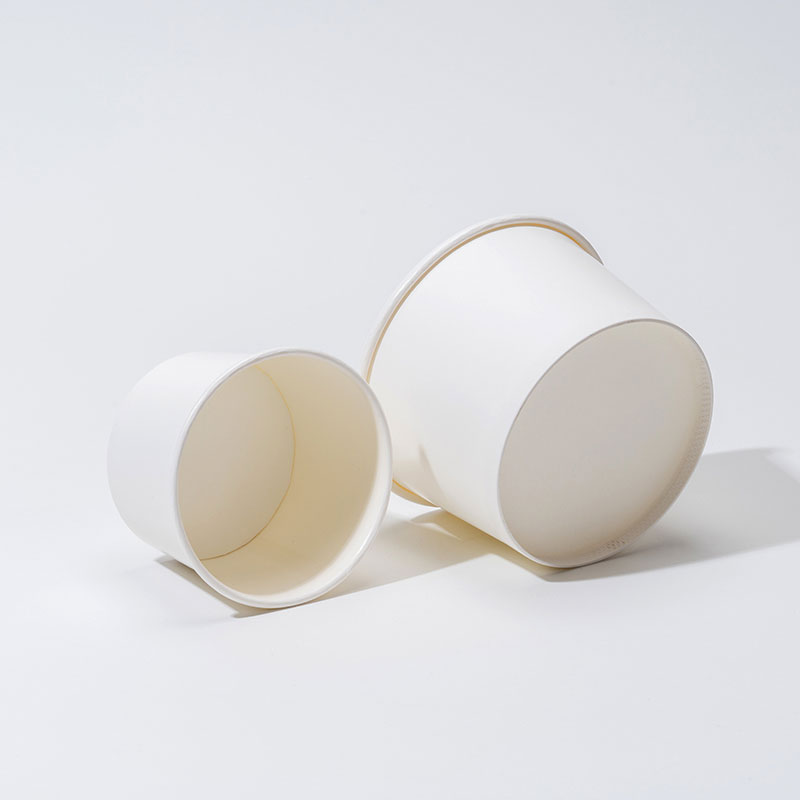
As sustainability becomes a central concern for businesses and consumers alike, sugarcane pulp bowls emerge as a revolutionary alternative to traditional disposable tableware. Made from natural sugarcane fiber, these bowls are biodegradable, durable, and versatile. In this article, we explore the benefits, manufacturing process, environmental impact, and market trends of sugarcane pulp bowls, helping businesses and consumers make informed choices. Qingdao Want Paper Packaging Co., Ltd. is at the forefront of delivering high-quality sugarcane pulp products that align with green initiatives.
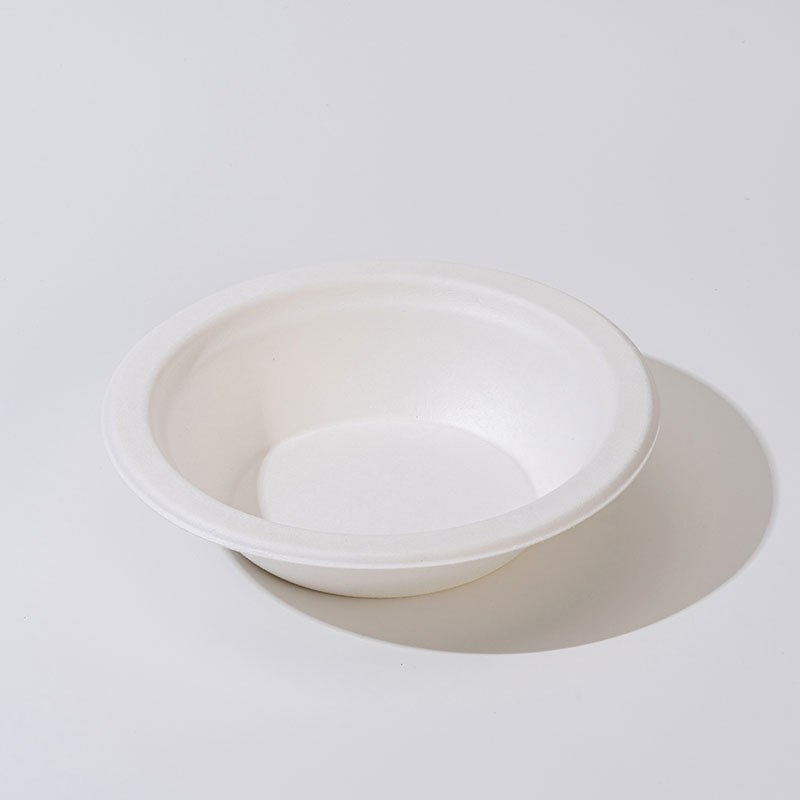
Sugarcane pulp bowls are innovative, eco-friendly alternatives to plastic and foam disposable bowls. Derived from bagasse—the fibrous residue left after extracting juice from sugarcane—these bowls offer a natural and sustainable solution for foodservice businesses, events, and households aiming to reduce environmental impact. Qingdao Want Paper Packaging Co., Ltd. specializes in producing high-quality sugarcane pulp bowls that are safe, durable, and visually appealing.
These bowls are not only functional but also stylish. With smooth finishes, heat resistance, and a range of sizes, they suit everything from soups and salads to desserts. Many restaurants and catering companies are now integrating sugarcane pulp bowls into their operations, reflecting a growing consumer demand for sustainable packaging.
Key Benefits of Sugarcane Pulp Bowls
Eco-Friendly: Fully biodegradable and compostable, reducing landfill waste.
Durable: Strong enough for hot and cold foods without leaking or deforming.
Safe: Free from harmful chemicals like BPA, ensuring food safety.
Versatile: Suitable for catering, takeout, and home use.
Cost-Effective: Affordable alternative to traditional disposables over time.
Branding Opportunities: Customizable with logos or patterns, enhancing brand identity.
Qingdao Want Paper Packaging Co., Ltd. emphasizes quality assurance, ensuring each sugarcane pulp bowl meets strict safety and durability standards. Businesses that switch to these bowls can market their eco-conscious practices to attract environmentally aware customers.
Manufacturing Process Explained
The production of sugarcane pulp bowls involves several eco-conscious steps:
Collection of Bagasse: Leftover sugarcane fiber is gathered from sugar processing plants.
Cleaning: Fibers are cleaned to remove impurities and washed thoroughly.
Pulp Formation: Fibers are mixed with water and pressed into desired shapes using molds.
Drying and Pressing: Molded bowls are dried using heat or air to remove moisture and strengthen structure.
Quality Control: Each bowl is inspected for durability, size uniformity, and smoothness.
Packaging: Bowls are packaged sustainably, often with recycled materials.
Qingdao Want Paper Packaging Co., Ltd. invests in advanced machinery and environmentally friendly production methods to maintain efficiency and high product quality.
Environmental Impact and Sustainability
Sugarcane pulp bowls significantly reduce environmental strain compared to traditional disposables:
Material
Decomposition Time
Recyclable
Environmental Footprint
Plastic
400+ years
No
High
Styrofoam
500+ years
No
High
Sugarcane Pulp
90–180 days
Yes (compostable)
Low
These biodegradable properties help reduce landfill buildup and carbon emissions. Choosing sugarcane pulp bowls demonstrates corporate responsibility and resonates with eco-conscious consumers.
Practical Usage and Care Tips
Hot Food: Safe for soups and stews up to 100°C; avoid microwave overheating for long durations.
Cold Food: Ideal for salads, ice cream, and desserts.
Storage: Keep bowls in a dry, cool place to prevent moisture absorption before use.
Disposal: Compost after use for full environmental benefit or recycle if local facilities exist.
Customization: Qingdao Want Paper Packaging Co., Ltd. offers custom sizes, shapes, and branding for businesses.
Market Trends and Consumer Adoption
Recent studies indicate a strong growth trajectory in biodegradable tableware. Businesses are increasingly adopting sugarcane pulp products due to consumer demand, sustainability regulations, and brand differentiation opportunities. In particular:
Eco-conscious consumers prefer products that reduce plastic usage.
Restaurants and cafes gain a competitive edge by offering sustainable dining options.
Government policies in various countries are phasing out single-use plastics, creating a natural market for alternatives like sugarcane pulp bowls.
Qingdao Want Paper Packaging Co., Ltd. has been instrumental in helping companies transition smoothly, offering consultation and bulk supply tailored to market needs.
Sugarcane Pulp vs Other Disposable Bowls
Feature
Plastic Bowl
Styrofoam Bowl
Sugarcane Pulp Bowl
Biodegradability
No
No
Yes
Heat Resistance
Low
Low
High
Durability
Moderate
Low
High
Safety
BPA Concerns
Chemical Leaching
Food Safe
Environmental Impact
High
High
Low
Frequently Asked Questions
What is a sugarcane pulp bowl made of?
It is made from bagasse, the fibrous residue left after sugarcane juice extraction, which is processed into a biodegradable pulp.
Are sugarcane pulp bowls microwave safe?
Yes, they are generally microwave safe for short durations, but overheating should be avoided to maintain structural integrity.
Can sugarcane pulp bowls hold hot liquids?
Yes, they can hold hot foods and soups up to 100°C without leaking or deforming.
Are these bowls recyclable?
Yes, sugarcane pulp bowls are compostable and environmentally friendly. Check local facilities for composting options.
Where can I buy sugarcane pulp bowls in bulk?
Qingdao Want Paper Packaging Co., Ltd. provides bulk supply of high-quality sugarcane pulp bowls with customization options.
Ready to switch to sustainable dining solutions? ContactQingdao Want Paper Packaging Co., Ltd. today for high-quality sugarcane pulp bowls, custom branding options, and bulk orders. Contact us now to elevate your eco-friendly initiatives!
We use cookies to offer you a better browsing experience, analyze site traffic and personalize content. By using this site, you agree to our use of cookies.
Privacy Policy